
Martech
Growth Operations
Expand
Optimize performance and reduce technical debt. Ideal for efficiency and fine-tuning.


A brand audit and art direction planning are crucial steps in ensuring that a company's brand and visual identity are consistent, cohesive, and effective. By conducting a brand audit and planning art direction, you can identify areas for improvement and create a strategy for achieving your brand and design goals. In this article, we'll discuss some best practices for brand auditing and art direction planning, including design system strategy.
A brand audit is a process of assessing an organization's brand and its performance. This includes an analysis of the company's target audience, brand identity, positioning, products, and services. It is important to understand how customers perceive the brand and how they interact with it. This helps determine the company's strengths and weaknesses and what changes can be made to improve the brand.
The first step in creating a cohesive and effective brand is to conduct a thorough brand audit. This includes analyzing your brand's current visual identity, messaging, and positioning, as well as researching your competitors and target audience. A brand audit can help you identify areas of improvement and create a plan for achieving your brand goals.
Elements of a Brand Audit:
Art direction involves the creation of a unified visual language for a brand. This includes the use of visual elements such as typography, colour, imagery, and layout to create a cohesive brand identity. This includes creating mood boards and style guides, as well as working with photographers, illustrators, and other visual artists to create visual assets that align with your company’s brand. The goal is to create a consistent look and feel that reflects the brand's values, mission, and objectives. It is important to have a clear strategy for art direction planning to ensure that the brand's message is communicated effectively.
Use this checklist to help with your planning:
A design system strategy is an integral part of art direction planning. A design system consists of a set of components that are used to create a consistent user experience across different platforms. This includes elements such as typography, colour, icons, and layouts. It is important to have a design system that is flexible and can be adapted as the brand evolves.
Must haves:
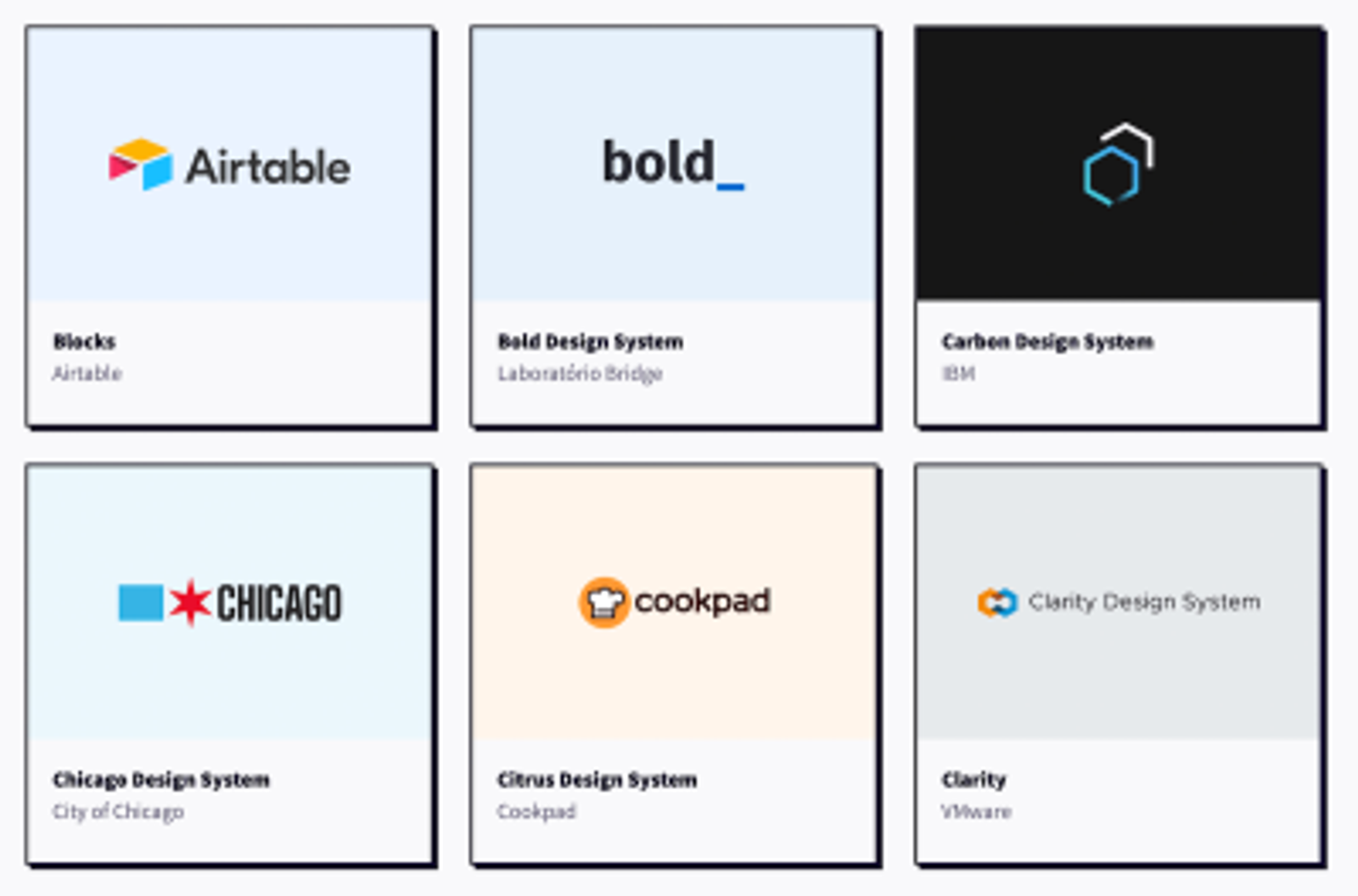
One of the design systems that we implement:
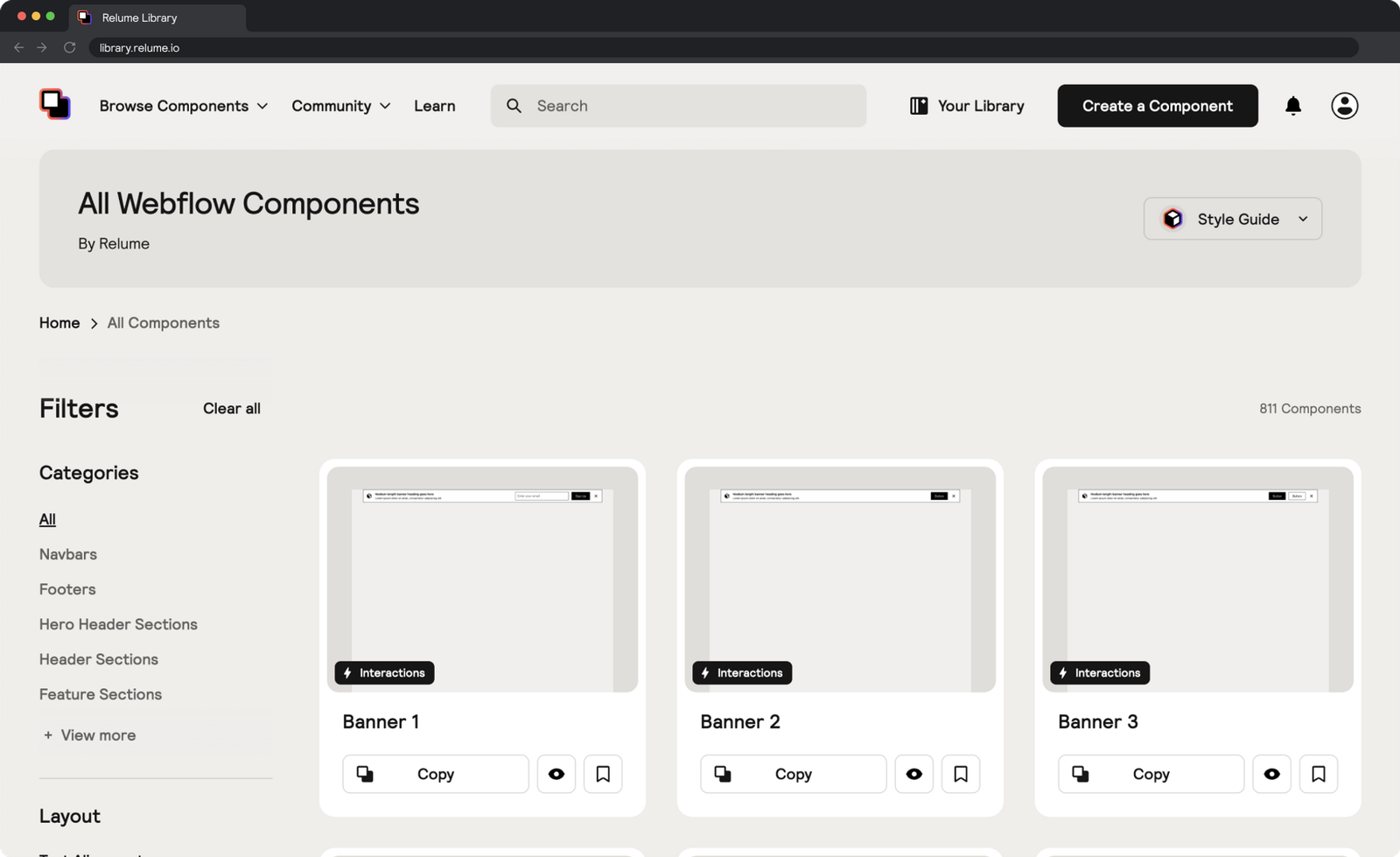
For valuable insights and inspiration:
A brand and design system is not set in stone, it's important to regularly review and update them as needed. This includes monitoring trends and changes in your industry, as well as gathering feedback from your target audience. By regularly reviewing and updating your brand and design system, you can ensure that they remain relevant and effective.
Brands need to be adaptable to changing trends and technologies, and this should be reflected in the design system strategy. The design system should be flexible enough to adapt to new design trends and technologies while still maintaining consistency with the brand's overall identity. This can be achieved by regularly reviewing and updating the design system to ensure that it stays relevant and current.
Find the right engagement fit for your current need(s)
Go to Market
Consulting
Validate ideas with market research, strategic planning and prototyping. Ideal for exploring new concepts.
Martech
Implementation
Launch Low-code MVP or Custom Interactive websites with user-focused design. Perfect for quick market entry.
Growth & Marketing
Campaign Experimentation
Boost growth with scalable systems and marketing automation. Suited for advanced analytics and more.
For teams with a bigger appetite for growth
Martech
Transformation
Transform with system modernization and integration. Best for comprehensive digital change.
Martech
Growth Operations
Optimize performance and reduce technical debt. Ideal for efficiency and fine-tuning.

Enterprise Singapore sets the rules and can change them. In general, you need all three of these before your project is assessed.

The grant is run by Enterprise Singapore for companies registered and operating here.

You need to have sufficient funds available to pay for the entire project upfront.

You need a defined project with real deliverables, dates, and outcomes.














We can't wait to hear all about your game-changing ideas. Spill the tea!

Be the first to know on further updates on Growth contents for your organisation, don't miss out on our sneak peaks and exclusive community contents!