Martech
Growth Operations
Expand
Optimize performance and reduce technical debt. Ideal for efficiency and fine-tuning.


Digital transformation is important for a better customer experience. It prepares businesses for increasingly complex challenges and can create new markets or disrupt existing ones. It is a natural response to customers who have grown used to digital tools.
Digital transformation is the process of changing an organisation's business model and operating strategies to keep up with the digital age. It's a natural response to customers who have grown accustomed to using digital tools like social media, mobile devices, and online purchasing platforms.
But it's also a way of preparing businesses for increasingly complex challenges such as globalisation or climate change. And while digital transformation can create new markets or disrupt existing ones, and even boost profits, it isn't always easy or clear-cut. In this article we'll examine why your business should consider digital transformation.
The key to success in the modern economy is understanding how to best meet your customers’ needs, both internal and external. Focusing on the customer journey across all channels, including voice, chat and social media, will help you uncover where they are in their buying journey and what they need next.
Creating new products based on customer feedback, using artificial intelligence (AI) to provide better customer support and improving employee productivity by using cloud-based solutions are just some of the benefits of digitalising your business.
Digital transformation also gives consumers more control over their shopping experience. They can research products before buying them online or in store, compare prices between different retailers and find deals from companies selling similar products to theirs.
Employees want to work in a modern office environment that offers tools like video conferencing, virtual whiteboards and collaborative documents so they can do their jobs more efficiently. The business may find itself unable to attract top talent because younger generations often seek out employers that embrace innovation.
Digital transformation is a journey, not a destination. Businesses that have successfully undergone digital transformation have done so by changing their business models, the experience they provide to customers and employees, and their internal processes.
As consumers continue to adopt new technology at an unprecedented rate, companies must adapt their own systems so they can keep up with the changing landscape. This means finding ways to use artificial intelligence (AI) and machine learning technologies that can automate processes, increase efficiency and improve customer experience across all channels.
Digital transformation requires businesses to change their way of thinking about customers' needs and how they can best serve those needs through technology-enabled services and products. This means thinking about how data can be used in new ways, for example by combining it with other types of information or combining different types of data altogether (e.g., combining transactional information with customer sentiment analysis).

Digital transformation is important because it prepares businesses to deal with increasingly complex challenges and enhances data collection.
The most important thing to understand about digital transformation is that it requires business leaders to think at a higher level of abstraction than traditional business management. Digital transformation requires you to think in terms of business models, customers and employees, business strategy, business processes, operational efficiency, artificial intelligence and digital solutions, not just products or services.
Digital transformation can also be used as an opportunity for companies that want to change their ways of doing things by becoming more agile and innovative through new technologies such as cloud computing or mobile apps. It requires them to see beyond their existing processes and identify new opportunities for growth and profitability by leveraging technology-enabled innovation.
When implemented correctly by companies who embrace the new technology fully (rather than just using it for convenience), these changes are expected to help improve customer satisfaction levels while increasing profits over time, because they allow business owners to access information faster than ever before.
Digital transformation can disrupt existing markets and create new ones. This is because it changes the way businesses operate, as well as how customers interact with them.
Developing innovation and digital capabilities is necessary to test and pivot to new sources of development in order to take advantage of new opportunities, some of which may be extremely disruptive. Digital may offer the chance to develop novel business strategies, new goods and services, or even to work with a broad ecosystem to develop fresh growth opportunities.

Digital transformation is a broad term used to describe any efforts to digitise the functions of an organisation. It can happen at different points in the process, from customer experience (CX), to the way employees work, right down to how products are created.
Digital transformation is often described as a process of moving from analogue to digital, but that’s not quite accurate. The goal isn’t just about improving efficiency or reducing costs; it’s about creating new business models that allow companies to operate differently, or better yet, give them advantages over competitors who don’t make similar moves.
Admiral Systems helps businesses scale up with digital transformation. Start with a Blueprint: a paid diagnosis that ends with a costed plan.
Find the right engagement fit for your current need(s)
Go to Market
Consulting
Validate ideas with market research, strategic planning and prototyping. Ideal for exploring new concepts.
Martech
Implementation
Launch Low-code MVP or Custom Interactive websites with user-focused design. Perfect for quick market entry.
Growth & Marketing
Campaign Experimentation
Boost growth with scalable systems and marketing automation. Suited for advanced analytics and more.
For teams with a bigger appetite for growth
Martech
Transformation
Transform with system modernization and integration. Best for comprehensive digital change.
Martech
Growth Operations
Optimize performance and reduce technical debt. Ideal for efficiency and fine-tuning.

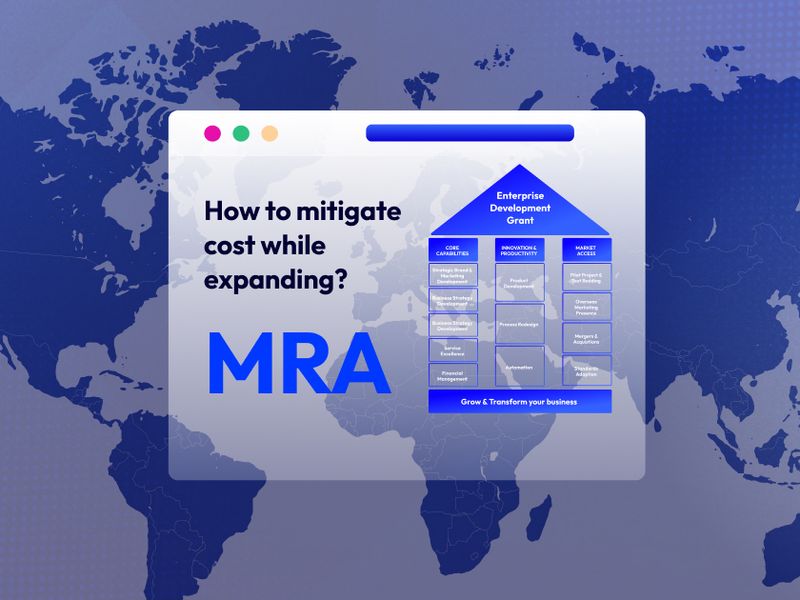
Enterprise Singapore sets the rules and can change them. In general, you need all three of these before your project is assessed.

The grant is run by Enterprise Singapore for companies registered and operating here.

You need to have sufficient funds available to pay for the entire project upfront.

You need a defined project with real deliverables, dates, and outcomes.














We can't wait to hear all about your game-changing ideas. Spill the tea!

Be the first to know on further updates on Growth contents for your organisation, don't miss out on our sneak peaks and exclusive community contents!